
Regular Site Visits for Private Estate Grounds: A Year-Round Guide
Table of Contents
Why Regular Site Visits Matter for Private Estate Grounds
Building Your Commercial Grounds Maintenance Schedule
Spring and Summer Maintenance Cycles
Autumn and Winter Priorities
Creating an Estate Grounds Maintenance Checklist
Safety Inspections and Risk Assessment
Vegetation and Landscape Review
Infrastructure and Communal Areas
Benefits of Professional Grounds Maintenance Contracts
Setting Visit Frequency Based on Your Site Needs
Compliance and Legal Obligations for Estate Management
Implementing Digital Reporting and Site Documentation
Frequently Asked Questions
Last Updated: September 23, 2026
Why Regular Site Visits Matter for Private Estate Grounds
Your office grounds make a first impression, which is why regular site visits estate grounds are essential for maintaining professional appearance. Clients walk in and they see the landscape before they see your team. A well-maintained estate says you care about details. Neglected grounds send the opposite message.
Regular site visits throughout the year for private estate grounds aren't optional, they're the foundation of professional property management. Without them, small issues become expensive problems. Weeds spread. Drainage fails. Trip hazards appear. Safety risks compound.
The difference between a thriving estate and a struggling one comes down to consistency. One team visits monthly and catches problems early. Another waits for complaints and reacts. The first costs less and looks better.
The properties that invest in regular, planned site visits maintain their value and their reputation. The ones that skip visits or rely on ad-hoc maintenance end up spending far more to fix what preventative care would have prevented.
Pro Tip A single site visit every quarter is rarely enough for a commercial property. Most estates need monthly attention minimum, with seasonal adjustments for weather and growth cycles. The cost of one extra visit per year often saves thousands in emergency repairs.
Building Your Commercial Grounds Maintenance Schedule
Your maintenance schedule is a roadmap. It tells your grounds team what to do, when to do it, and why it matters. Without one, work becomes reactive and inconsistent.
A proper schedule balances seasonal needs with year-round essentials. Spring demands different focus than autumn. Summer growth accelerates. Winter brings dormancy and weather challenges. Your plan must account for all of it.
The schedule should include:
Monthly inspection dates
Seasonal task lists (spring planting, summer growth management, autumn leaf collection, winter weather response)
Frequency for specific tasks (weekly mowing, fortnightly hedge trimming, quarterly deep cleaning)
Contingency protocols for weather events or emergency repairs
Documentation requirements for each visit
Start with your site's unique needs. A business park with extensive landscaping needs a different schedule than a small office complex with minimal grounds. Your contractor should tailor the plan to your specific property, not force you into a standard template.
Spring and Summer Maintenance Cycles
Spring is the growth season. Everything wakes up. Grass accelerates. Weeds emerge. Hedges and shrubs push new growth. Your site visits need to increase in frequency during these months.
Spring priorities include:
Clearing winter debris and dead growth
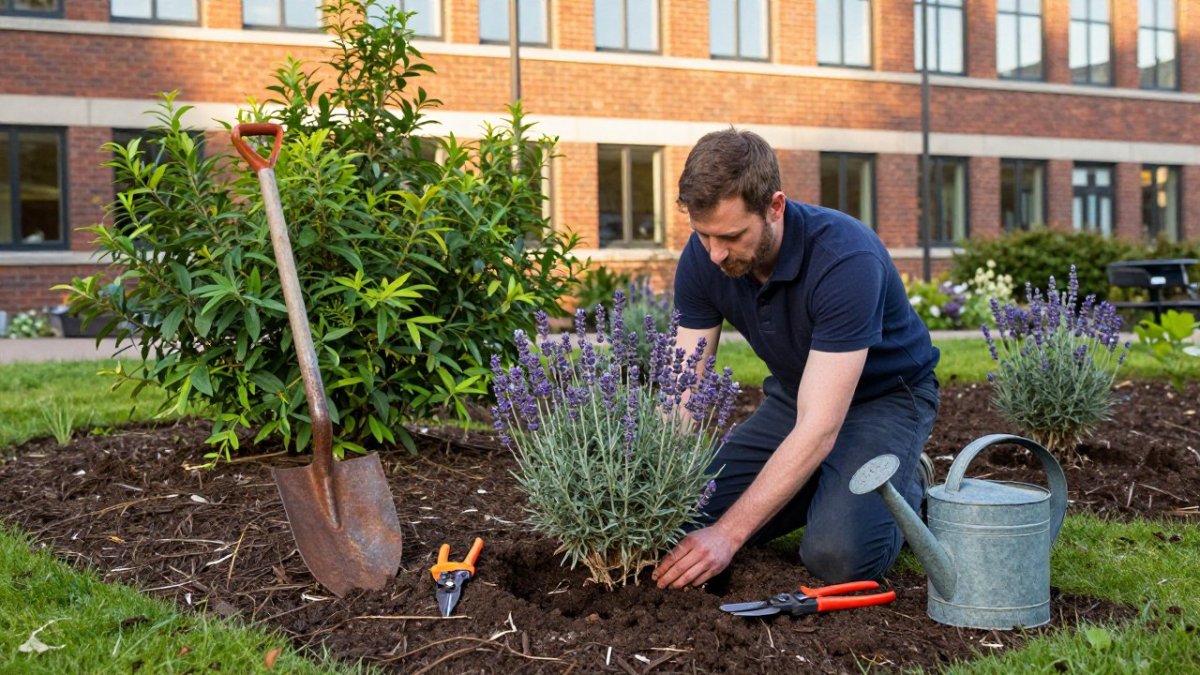
Pruning back overgrown shrubs and hedges
Planting seasonal flowers or refreshing landscaping
Checking drainage systems for winter damage
Deep cleaning communal areas and car parks
Inspecting for winter weather damage
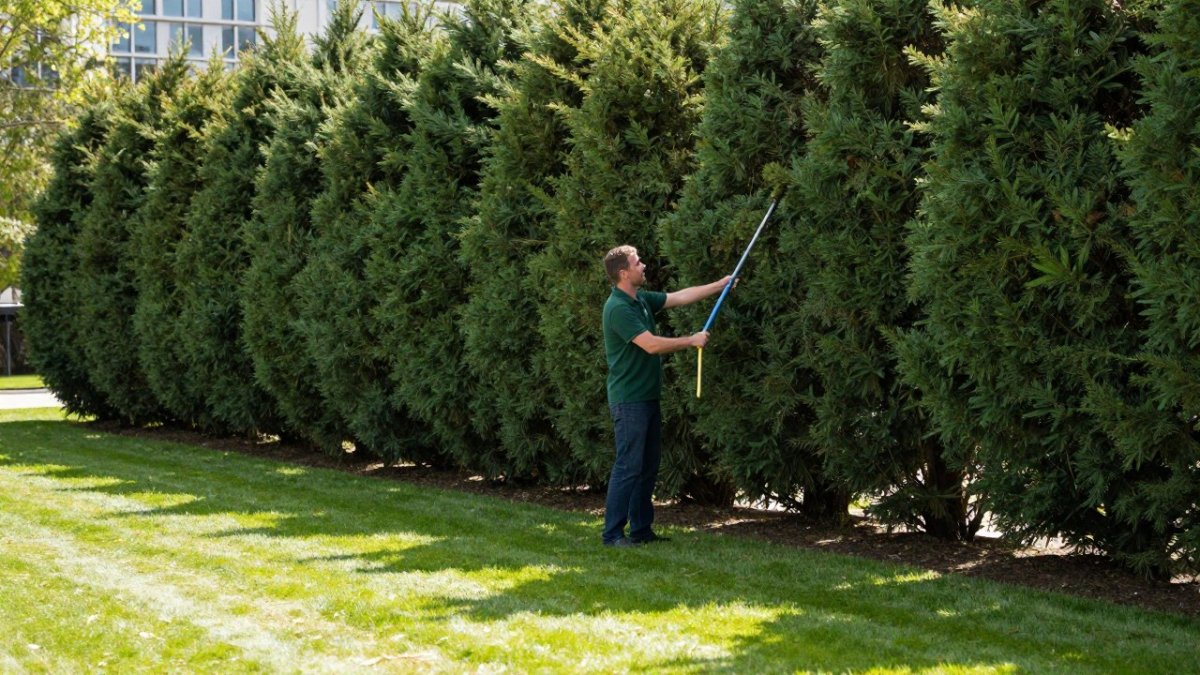
Summer maintains what spring established. Growth continues, but the focus shifts to containment. Grass needs regular mowing, typically weekly depending on rainfall. Hedges need trimming to maintain shape. Weeds need removal before they establish.
Summer also brings higher foot traffic. Your communal areas get more use. This is when trip hazards become visible. Uneven paving, loose gravel, or overgrown edges create liability. Regular site visits catch these before someone gets hurt.
Autumn and Winter Priorities
Autumn is transition season. Trees shed leaves. Growth slows. Your maintenance shifts from growth management to cleanup and preparation.
Autumn tasks include:
Leaf collection and clearing from communal areas, gutters, and drainage
Final hedge and shrub trimming before winter dormancy
Planting spring bulbs if your estate includes ornamental gardens
Clearing gutters and downpipes
Checking drainage systems for blockages
Preparing tender plants for frost
Winter is about protection and safety. Growth stops, but weather becomes the main concern. Snow, ice, and frost create hazards. Your grounds team needs to respond quickly to weather events.
Winter essentials include:
Gritting and clearing paths and car parks after snow or ice
Monitoring for frost damage to plants or infrastructure
Clearing blocked drainage systems
Checking for water damage or flooding in communal areas
Maintaining visibility at access points and walkways
Inspecting for weather-related damage to structures or landscaping
Regular site visits during winter are critical. A single heavy frost or snowfall can create multiple hazards. Your team needs to see the property frequently enough to respond quickly.
Key Takeaway Seasonal maintenance isn't about doing different work each season, it's about adjusting frequency and focus. Spring and summer demand weekly or fortnightly visits. Autumn needs monthly attention plus weather response. Winter requires flexibility for emergency clearance after frost or snow.
Creating an Estate Grounds Maintenance Checklist
A checklist ensures nothing gets missed. It keeps work consistent across visits. It documents what's been done and what still needs attention.

Your checklist should be specific to your property. Generic checklists miss site-specific issues. A property with mature trees needs different checks than one with minimal landscaping.
Grounds and Landscaping:
Grass condition and mowing completion
Hedge and shrub health and trimming
Weed presence in beds, borders, or paving
Tree health and branch hazards
Seasonal planting or refreshing
Communal Areas:
Paving condition and trip hazards
Seating and furniture condition
Litter and debris clearance
Drainage function and blockages
Lighting functionality
Surface condition and hazards
Line markings visibility
Drainage and standing water
Gritting or clearing after weather
Visibility at access points
Infrastructure:
Gutters, downpipes, and drainage systems
Fencing or boundary condition
Gates and access control functionality
Signage clarity and condition
Water features or irrigation systems
Safety Inspections and Risk Assessment
Safety is non-negotiable. A trip hazard on your property is your liability. Overgrown branches blocking visibility are your responsibility. Slippery surfaces after rain or frost are your risk.
Regular site visits catch safety issues before they cause injury. Your team should inspect for:
Uneven or broken paving that could cause trips
Loose gravel or debris on walkways
Overgrown vegetation blocking sight lines or access
Low branches that could strike people or vehicles
Slippery surfaces (algae, moss, or ice)
Unstable structures or loose fencing
Blocked emergency access or fire routes
Vegetation and Landscape Review
Vegetation is living. It grows, dies back, gets diseased, or gets damaged. Regular site visits track its health and needs.
Your review should assess:
Grass health and coverage
Shrub and hedge vigor and shape
Tree health and branch safety
Weed pressure and spread
Pest or disease signs (discolouration, wilting, visible insects)
Seasonal condition (dormancy, growth, flowering)
Infrastructure and Communal Areas
Your communal areas are where people spend time. They're where first impressions form. They're where safety issues become visible.
Regular inspection covers:
Paving condition and safety
Seating, bins, and furniture functionality
Lighting operation
Drainage and water management
Fencing, gates, and boundaries
Signage and wayfinding clarity
Watch Out Neglected communal areas create liability. A broken paving stone that goes unfixed becomes a trip hazard. A broken bench becomes a safety issue. A blocked drain becomes a flooding risk. Document everything found during visits and track repairs to closure.
Benefits of Professional Grounds Maintenance Contracts
You could hire a contractor for one-off jobs as issues appear. You could manage grounds maintenance yourself. Both approaches fail eventually. One-off work is expensive and inconsistent. Self-management spreads your team too thin.
Setting Visit Frequency Based on Your Site Needs
How often should your grounds team visit? The answer depends on your specific property.
Consider these factors:
Site Size and Complexity:
Larger properties need more frequent visits
Properties with extensive landscaping need more attention
Multiple buildings or separated grounds need more oversight
Seasonal Variation:
Spring and summer demand higher frequency (weekly or fortnightly)
Autumn needs monthly visits plus weather response
Winter requires flexibility for emergency response after frost or snow
Vegetation Density:
Heavy landscaping with shrubs and hedges needs fortnightly or weekly work
Minimal grounds with mainly grass needs monthly visits
Mature trees need regular inspection for branch hazards
Weather Exposure:
Exposed sites with wind need more frequent inspection
Properties in wet areas need better drainage management
Frost-prone areas need winter flexibility
Foot Traffic and Use:
Busy communal areas need more frequent cleaning and hazard removal
High-traffic car parks need regular clearing and surface inspection
Quiet sites can manage with less frequent visits
Compliance and Legal Obligations for Estate Management
Your property has legal obligations. Health and safety law applies to your grounds. Drainage regulations govern water management. Local planning rules may restrict what you can do.
Implementing Digital Reporting and Site Documentation
Paper clipboards and memory don't scale. Digital reporting systems create accountability and clarity.
A good reporting system captures:
Date and time of visit
Weather conditions
Tasks completed
Issues found and their location
Photos of problems or completed work
Recommendations for future work
Signature or digital confirmation
Frequently Asked Questions
How often should regular site visits happen for private estate grounds?
Visit frequency depends on your site's size, season, and use. Most private office and business park grounds benefit from weekly or fortnightly visits during growing seasons (spring and summer), and monthly or quarterly visits in winter. High-traffic communal areas may need weekly attention year-round. A professional assessment of your specific grounds will determine the optimal schedule for your property.
What should be included in an estate grounds maintenance checklist?
A comprehensive checklist covers safety inspections (trip hazards, damaged surfaces), vegetation management (lawn condition, hedge trimming, weed control), infrastructure assessment (paths, drains, fencing), and communal area upkeep (car parks, planted beds, signage). Regular documentation of each visit creates accountability and ensures nothing is missed, which is essential for compliance and demonstrating value to stakeholders.
What are the main benefits of professional grounds maintenance contracts?
Professional contracts deliver consistency, reliability, and expertise. You gain regular site visits from trained teams, planned preventative maintenance that prevents costly repairs, documented compliance with health and safety standards, and improved property appearance that reflects positively on your business. Dedicated account management ensures your specific seasonal needs and site requirements are met without disruption.
What legal obligations apply to commercial estate grounds management?
Duty of care under common law requires you to maintain grounds safely and prevent foreseeable harm. The Health and Safety at Work etc. Act 1974 applies to commercial properties, requiring risk assessments and maintenance of safe conditions. Service charge legislation (if applicable) demands transparent spending on communal areas. Regular site inspections and documented maintenance schedules demonstrate compliance and protect your liability.
TELL US Submit

Comments